Emerald Green Arborvitae Care and Maintenance Guide
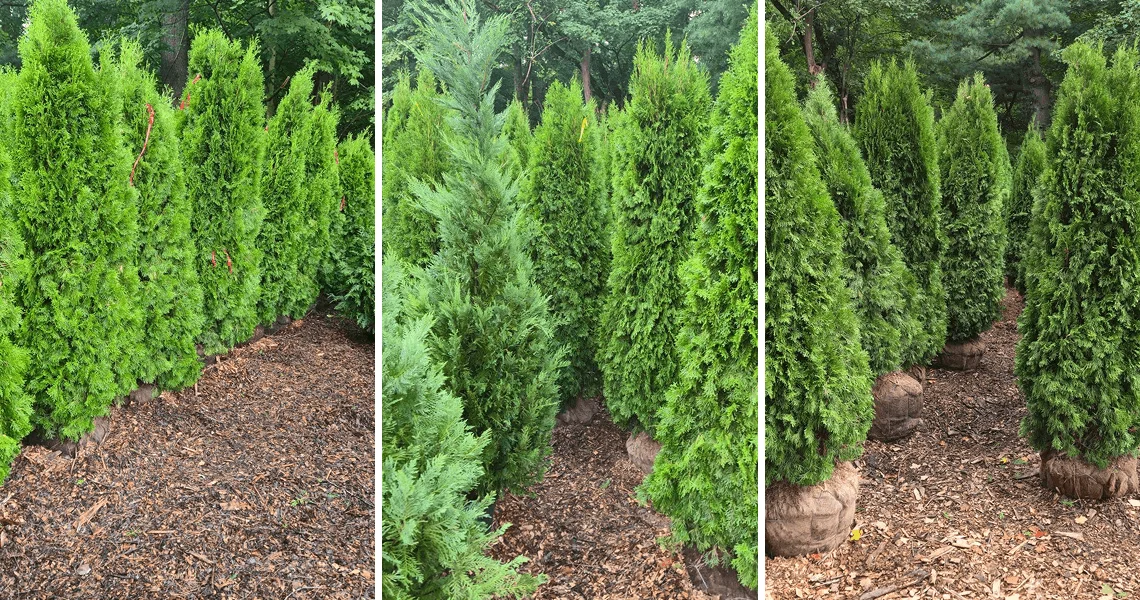
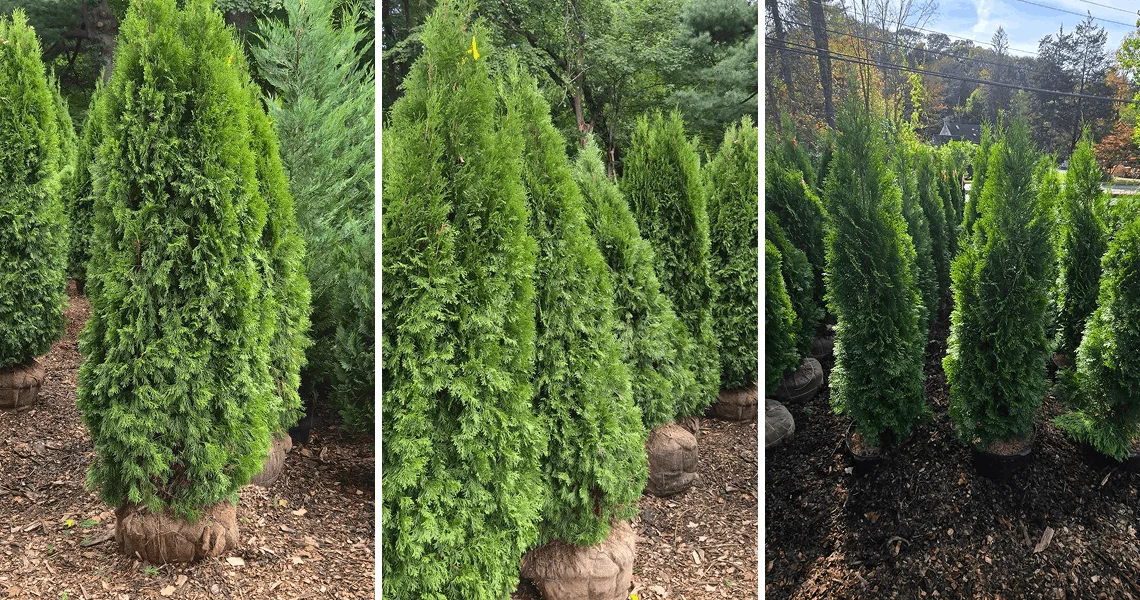
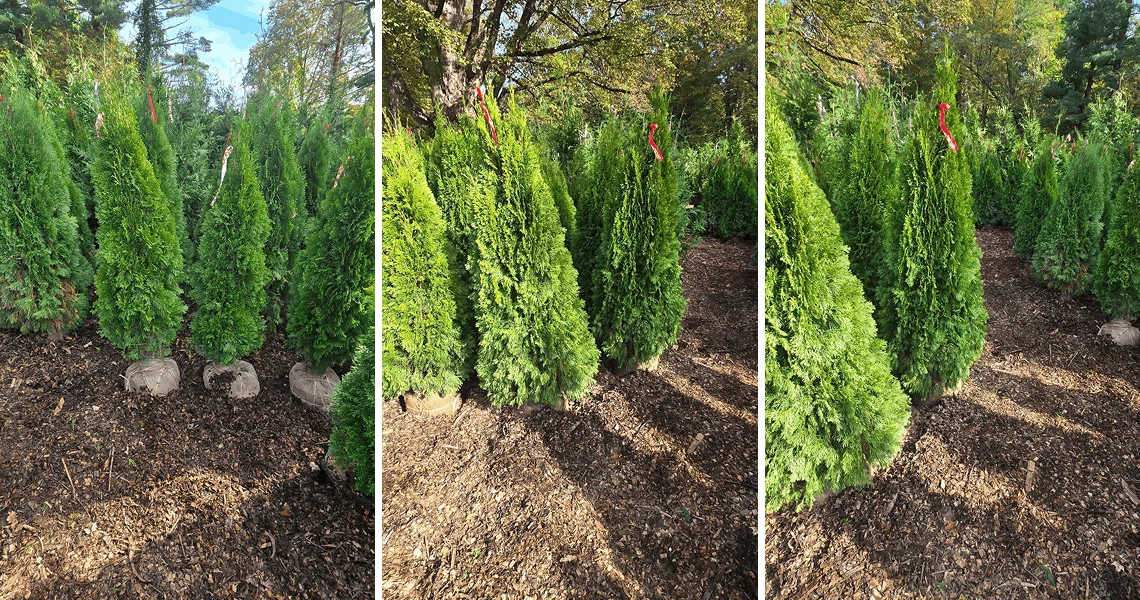
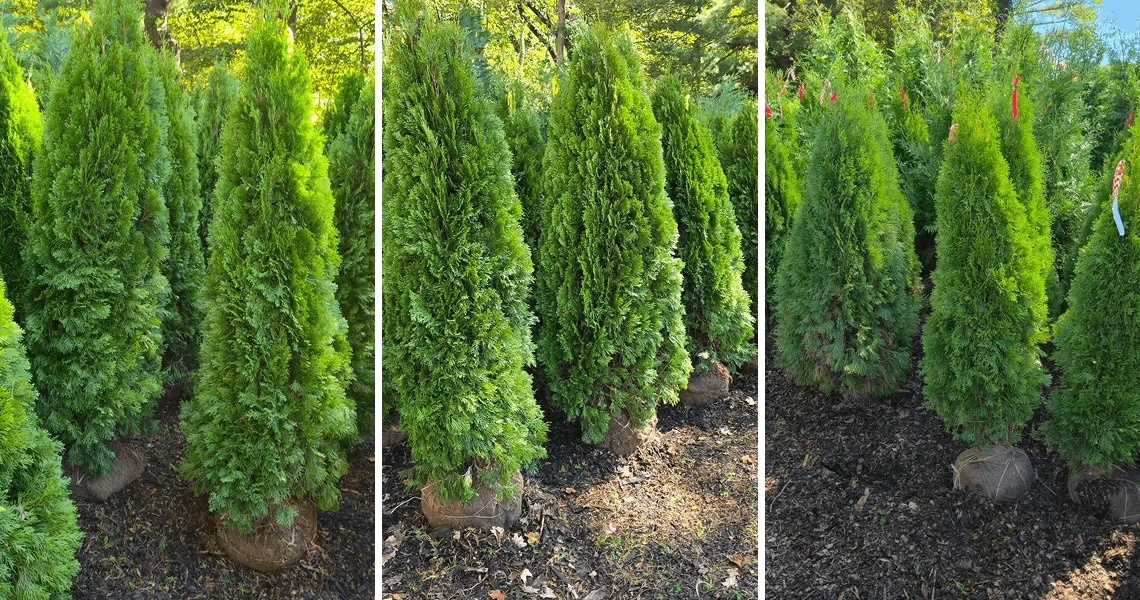
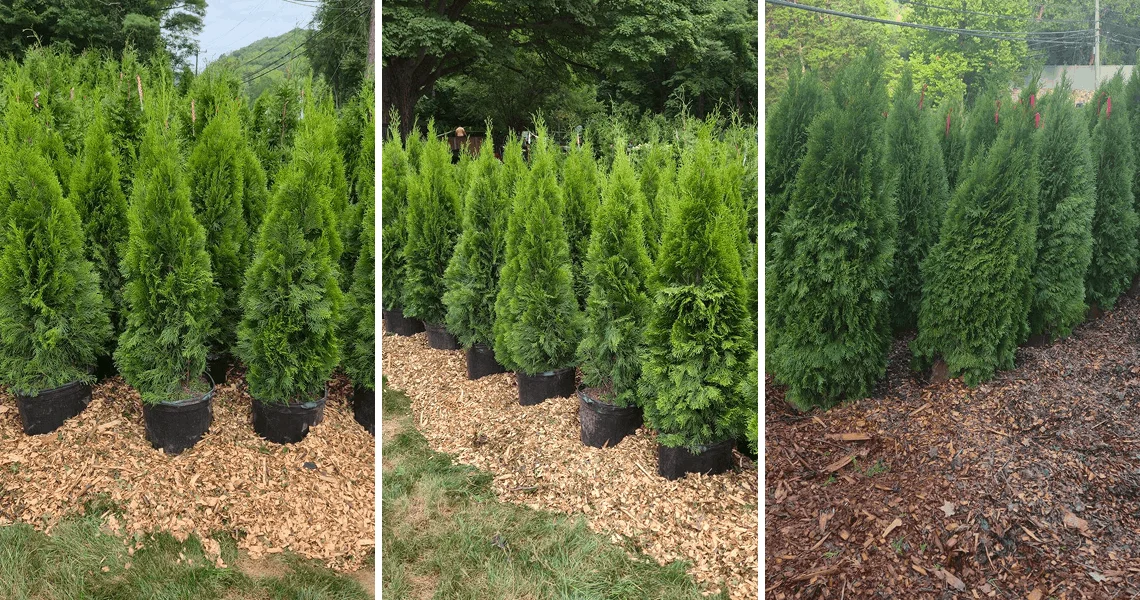
Emerald Green Arborvitae is a narrow, upright evergreen perfect for privacy hedges, foundation plantings, or accent trees. Its a popular choice for homeowners and landscapers seeking a tidy, long-lasting privacy solution. With consistent care, these trees can thrive for decades while maintaining a neat, elegant form.
Planting Location and Soil
Emerald Green Arborvitae grows best in full sun but tolerates partial shade (4–6 hours of direct sunlight daily). It adapts to most soil types, including clay, loam, and sandy soils, but thrives in fertile, well-draining ground. Avoid planting in wet, poorly drained areas or salty soils, which can stunt growth or cause root rot.
- Ideal soil: Moist, fertile, well-draining
- Avoid waterlogged or compacted areas
- Ensure good air circulation to reduce disease risk
Spacing and Planting Depth
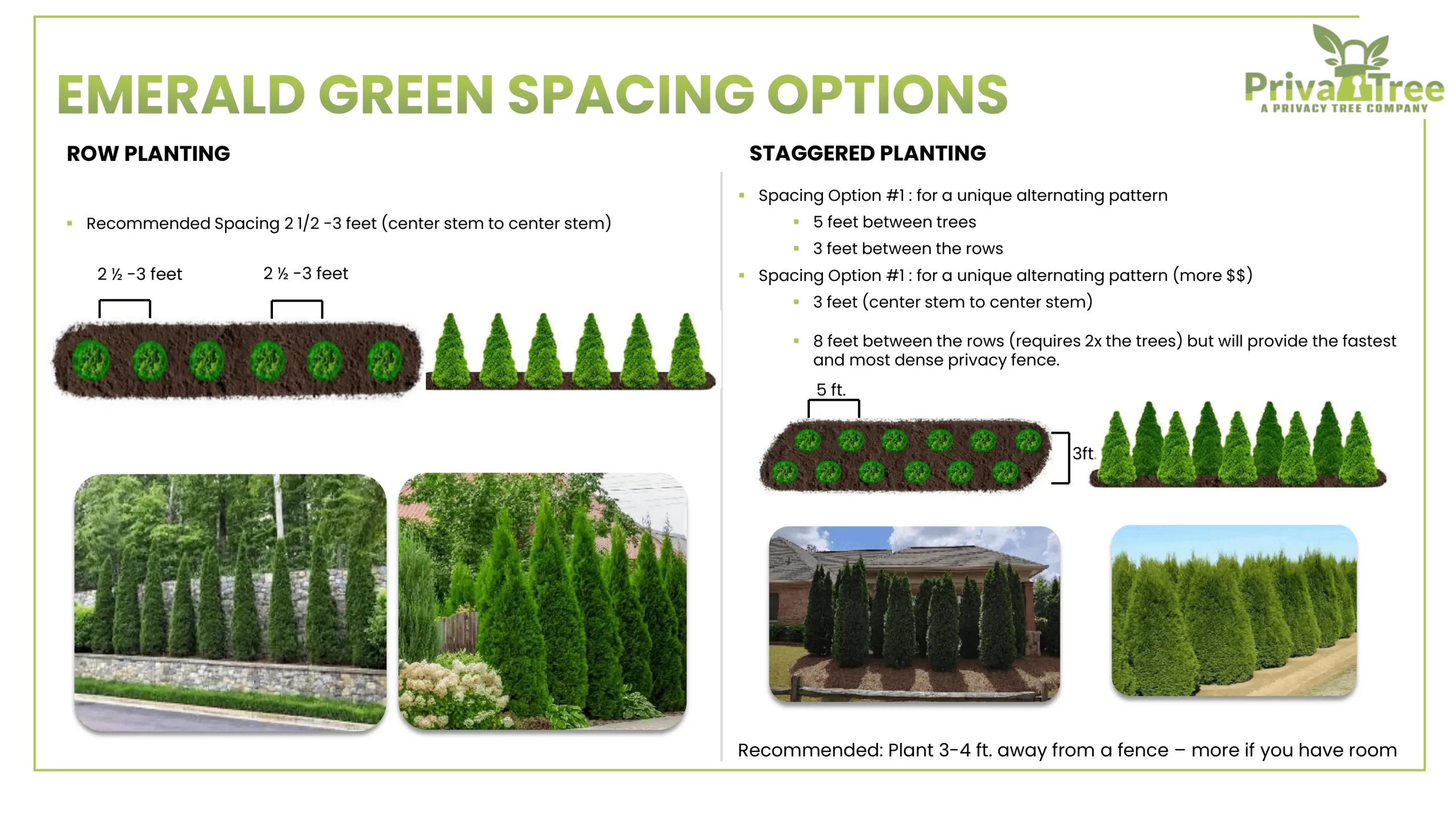
Proper spacing allows for healthy root and canopy development:
- Privacy screens/hedges: Plant 2–3 feet apart for dense coverage
- Hole size: Dig slightly wider than the root ball to give roots room to spread
- Depth: Plant so the top of the root ball is level with the surrounding soil
Tip: Spacing trees too close together can lead to competition for water and nutrients, reducing overall growth.
Watering
Watering is critical, particularly in the first year:
- First year: Keep soil consistently moist. Water deeply at the base, focusing on roots rather than foliage. Avoid standing water.
- After establishment: Reduce to roughly 1 inch per week, adjusting for extreme heat or drought conditions.
- Deep, infrequent watering encourages strong root development and drought tolerance.
Mulching
Mulch helps maintain moisture, moderate soil temperature, and reduce weeds:
- Apply 2–3 inches of mulch around the base
- Keep mulch a few inches away from the trunk to prevent rot or pest issues
- Refresh mulch annually, especially in late fall
Fertilization
Emerald Green Arborvitae does not need fertilization when newly planted. From the second year onward:
- Spring: Apply a balanced, slow-release fertilizer to promote healthy growth
- Early fall: Optional light feeding to maintain vigor
- Avoid late fall fertilization, as new growth may be damaged by winter cold
Tip: Incorporate compost or organic matter at planting for natural nutrient support.
Common Pests and Diseases
Emerald Green is generally pest- and disease-resistant, but occasionally you may encounter:
- Bagworms: Can strip foliage if unchecked
- Scale insects: Monitor and treat early
- Root rot: Usually caused by poor drainage
Regular inspections will help catch issues early.
Pruning and Maintenance
Pruning is optional since Emerald Green Arborvitae naturally grows narrow and columnar, but strategic pruning helps:
- Maintain shape and size, especially for hedges
- Encourage denser foliage by lightly trimming the central leader
- Remove dead, damaged, or diseased branches
How to Prune
- Tools: Use sharp pruning shears, hedge trimmers, or loppers
- General guideline: Never remove more than 1/3 of the total growth at one time
- Bushier growth: Trim the central leader to stimulate outward lateral branches
- Hedge shaping: Trim tops and sides evenly; base slightly wider than top allows sunlight to reach lower branches
Timing for Pruning
- Late winter to early spring: Ideal for major shaping, while dormant
- Mid-summer: Light touch-ups
- Avoid late fall: New growth may be damaged by cold
Topping Emerald Green Arborvitae
If you need to limit vertical growth, topping the central leader is effective:
- Time the pruning: Late winter/early spring while dormant
- Identify the central leader: The tallest vertical branch
- Cut carefully: Just above a lateral bud to encourage outward growth
- Shape the top: Trim surrounding branches for a natural, tapered appearance
Avoid topping too aggressively; gradual adjustments are safest.
Winter Protection
Emerald Green is hardy but benefits from winter care in exposed areas:
- Snow and ice: Brush gently to prevent branch breakage
- Wind and cold: Burlap wraps can protect against drying winds
- Mulch: Apply a fresh layer in late fall to insulate roots
General Maintenance Tips
- Check soil moisture regularly, especially during hot or dry periods
- Refresh mulch yearly to retain moisture and suppress weeds
- Monitor foliage; yellowing may indicate drainage or nutrient issues
- Remove weeds or competing plants around the base to reduce stress
- Regular pruning ensures a neat, dense hedge or upright form
By following these guidelines, Emerald Green Arborvitae will provide long-lasting elegance, privacy, and structure in any landscape, whether used as a hedge, screen, or standalone feature.
Reviews
There are no reviews yet.